
-
Ciu Ciu Tebaldo IGP Italy
Regular price €19.00Regular priceUnit price per -
Ciu Ciu Le Merlettaie DOCG Italy
Regular price €19.10Regular priceUnit price per€22.50Sale price €19.10Sale -
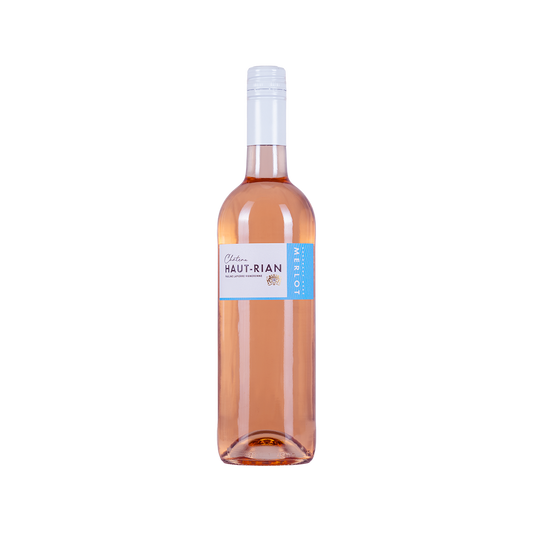
Haut Rian Rosé Bordeaux AOC France
Regular price €16.25Regular priceUnit price per -
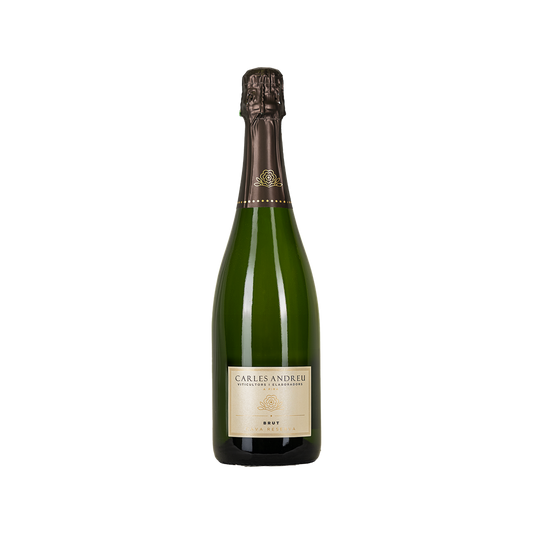
Carles Andreu Cava Brut Reserva DO Spain
Regular price €24.65Regular priceUnit price per€29.00Sale price €24.65Sale -
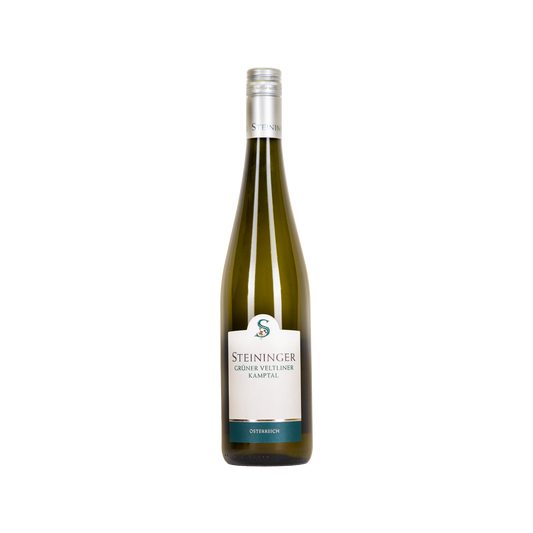
Steininger Grüner Veltliner DAC Kamptal Austria
Regular price €19.50Regular priceUnit price per -
Pecile Pinot Grigio Friuli DOC Italy
Regular price €14.75Regular priceUnit price per -
Chézelles Touraine Sauvignon Blanc France
Regular price €16.25Regular priceUnit price per -
Sammarco Nero di Troia Puglia Italy
Regular price €16.50Regular priceUnit price per -
Neleman Nucli Tinto Valencia DO Spain
Regular price €17.00Regular priceUnit price per -
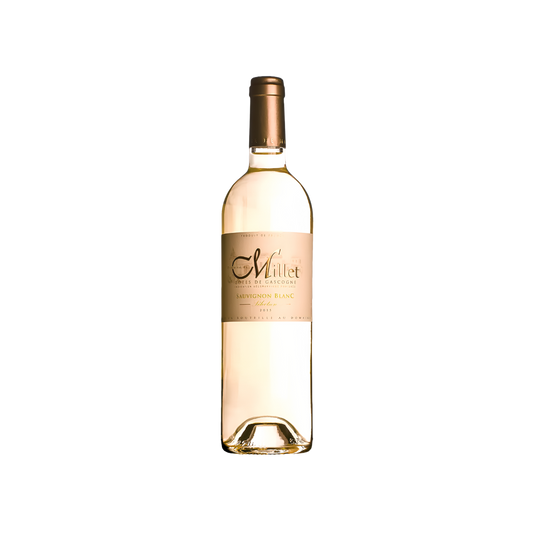
Millet Sauvignon Blanc IGP France
Regular price €15.25Regular priceUnit price per -
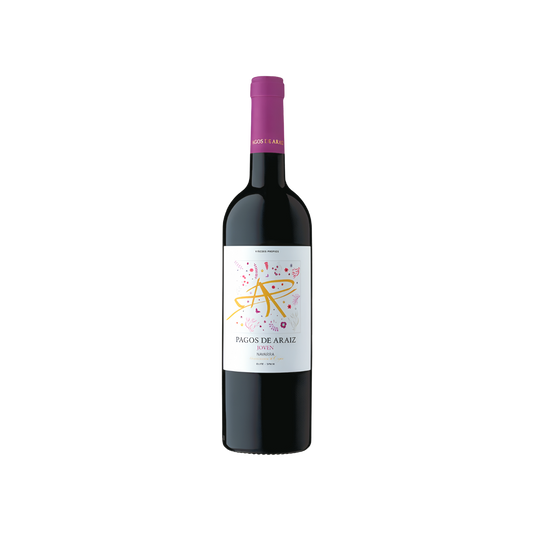
Pagos de Araiz Joven Tempranillo Navarra DO Spain
Regular price €13.50Regular priceUnit price per -
Renne Sauvignon Blanc Touraine AOC France
Regular price €16.50Regular priceUnit price per -
Altos De La Hoya Jumilla DO Spain
Regular price €16.50Regular priceUnit price per -
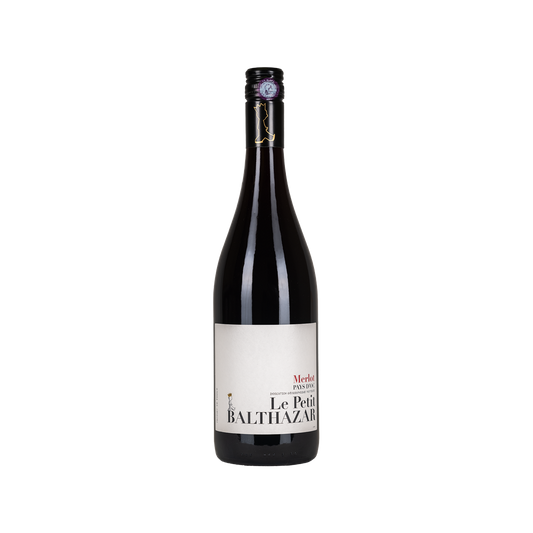
Le Petit Balthazar Merlot Languedoc France
Regular price €14.25Regular priceUnit price per -
Montelaguna Roble Ribera del Duero DO Spain
Regular price €19.50Regular priceUnit price per -
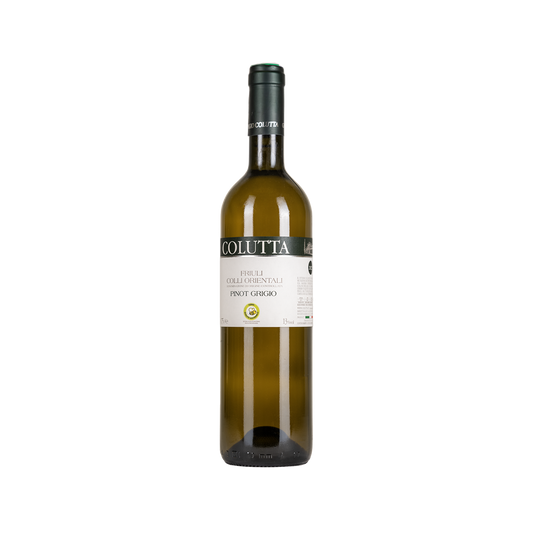
Colutta Pinot Grigio Friuli DOC Italy
Regular price €24.75Regular priceUnit price per







Dry wine simply means a wine with little to no perceptible residual sugar — the opposite of a sweet wine. The vast majority of the world's most popular wines, from Sauvignon Blanc and Chardonnay to Cabernet Sauvignon and Pinot Noir, are made in a dry style, where all (or nearly all) of the natural grape sugar has been converted to alcohol during fermentation.
'Dry' refers to sweetness, not acidity or body — a dry wine can still be light and crisp, or rich and full-bodied, depending on the grape variety, region, and winemaking approach. It's a useful term when navigating wine lists or labels, particularly for those who prefer wines without noticeable sweetness.
Our Dry Wines collection brings together a wide range of dry reds, whites, and rosés across styles, regions, and price points — a great starting point for anyone who knows they prefer their wine without sweetness, but wants to explore the huge variety still available within that preference.