
-
Horgelus 'La Vie En Rose' IGP Côtes de Gascogne France
Regular price €14.25Regular priceUnit price per -
Olivares Grenache Rosé DO Jumilla Spain
Regular price €14.75Regular priceUnit price per -
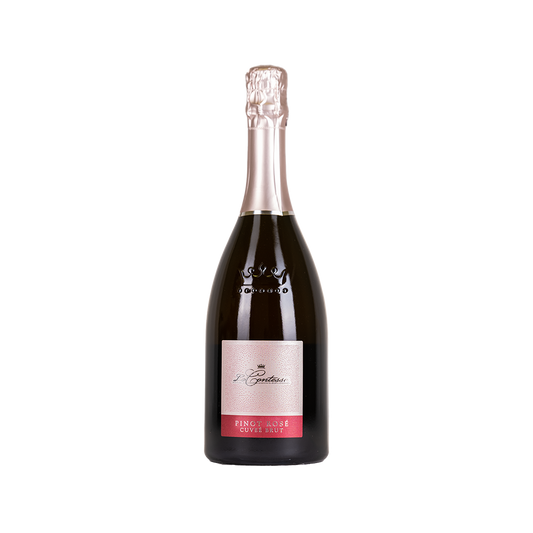
Le Contesse Pinot Rose Cuvee Brut Italy
Regular price €24.25Regular priceUnit price per -
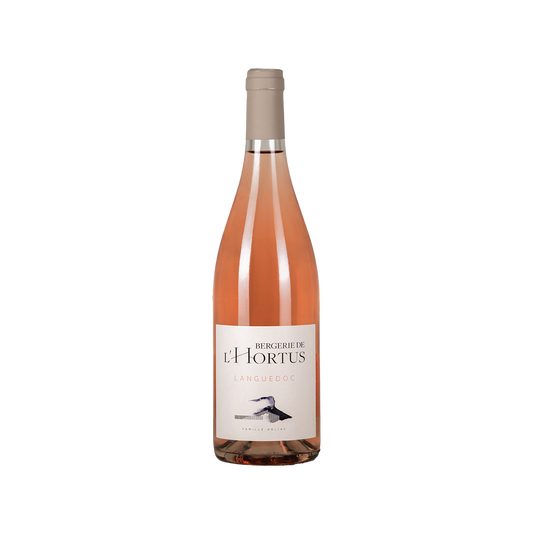
Bergerie de l'Hortus Rosé AOC Languedoc France
Regular price €23.25Regular priceUnit price per -
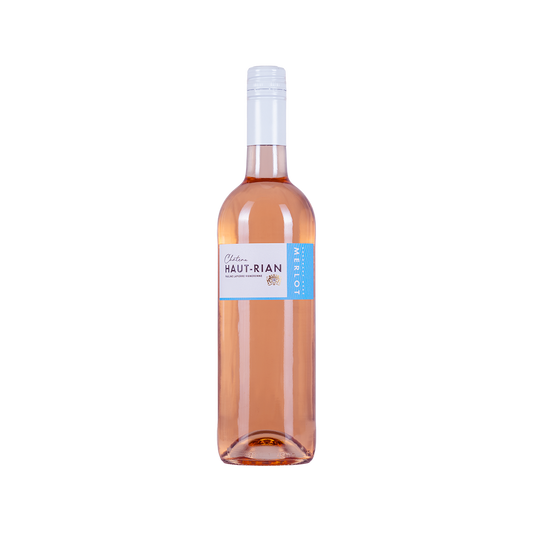
Haut Rian Rosé Bordeaux AOC France
Regular price €16.25Regular priceUnit price per -
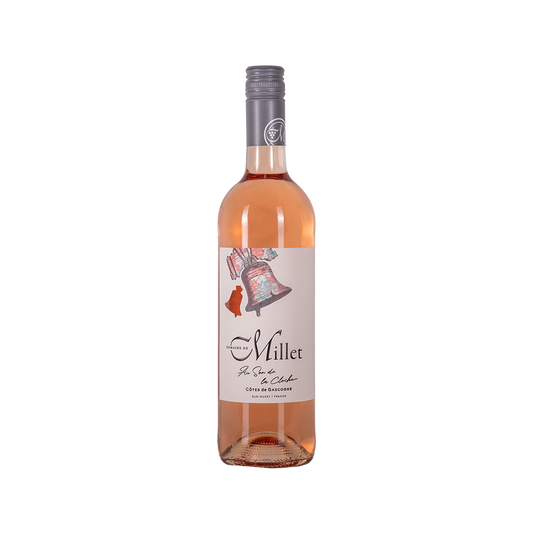
Millet Rose IGP France
Regular price €14.25Regular priceUnit price per -
Wellanschitz Frizzante Rosé Burgenland Austria
Regular price €25.00Regular priceUnit price per -
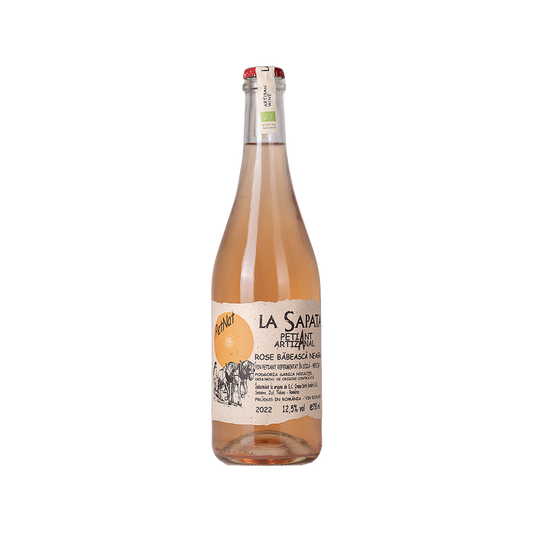
La Sapata Pétillant Artizanal Rosé Romania
Regular price €24.25Regular priceUnit price per -
Antech Emotion Rose Cremant de Limoux France
Regular price €32.95Regular priceUnit price per -
Bender Rosé Brut Traditional Method Germany
Regular price €40.50Regular priceUnit price per -
Krasna Hora Pink - Moravia PDO, Czech Republic
Regular price €21.00Regular priceUnit price per -
Vins Pauline Lapierre - A La Fraiche - AOC Bordeaux Clairet, France
Regular price €18.00Regular priceUnit price per





Rosé wine has undergone a quiet revolution over the past two decades — from an afterthought between red and white to a category that now encompasses some of the most serious, terroir-driven and age-worthy wines being made anywhere. The Provence rosé revolution led the way, demonstrating that rosé could have structure, depth and genuine complexity. Today great rosé comes from Tavel in the Rhône, from Sancerre, from Pinot Noir in Burgundy and Alsace, from Rioja, from the Douro and from producers across the Southern Hemisphere. Rosé is at its best with Mediterranean food — grilled fish, ratatouille, aioli, charcuterie, fresh salads — and is the ultimate summer wine, though the best examples drink beautifully year-round. At Wines Direct we stock rosé from Provence, the Loire, the Rhône, Rioja and beyond.