
-
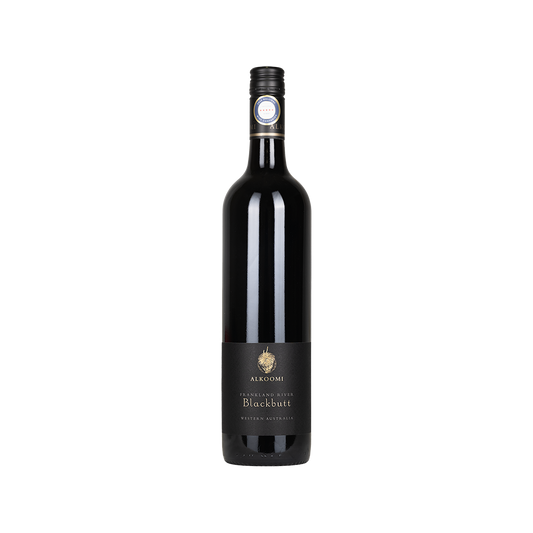
Alkoomi 'Blackbutt' Cabernet Sauvignon Frankland River Australia
Regular price €43.95Regular priceUnit price per -
Chateau Labegorce Margaux AOC France
Regular price €76.75Regular priceUnit price per -
Coteaux des Travers Les Traves - Rasteau AOC, France
Regular price €23.75Regular priceUnit price per -
Domaine Saint-Cyr - Chenas Robert Beaujolais AOC, France
Regular price €36.00Regular priceUnit price per -
Domaine Saint-Cyr - La Bruyere - Moulin a Vent AOC, France
Regular price €43.00Regular priceUnit price per -
Domaine Saint-Cyr La Galoche - Beaujolais AOC, France
Regular price €27.00Regular priceUnit price per -
El Vampiro de Pueblo Chilled Red - La Mancha DO, Spain
Regular price €15.95Regular priceUnit price per -
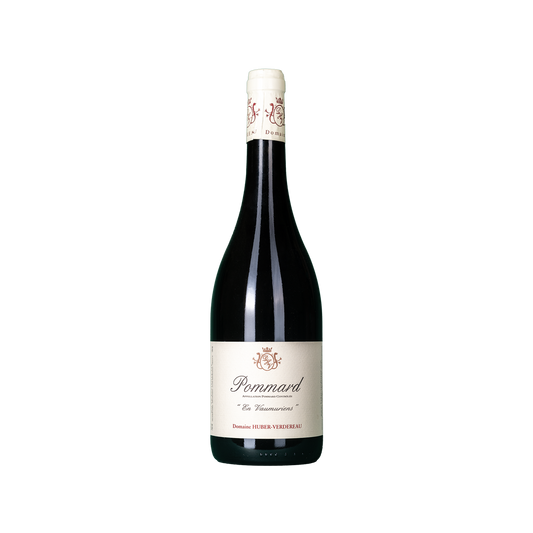
Huber Verdereau 'En Vaumuriens Hauts' Pommard AOC France
Regular price €69.00Regular priceUnit price per -
Kamara Pure 'Shadow Play' Xinomavro PDO Naoussa Greece
Regular price €30.50Regular priceUnit price per -
Krasna Hora Ruby - Moravia PDO, Czech Republic
Regular price €21.00Regular priceUnit price per -
Les Pieds sur Terre En Bois d'Arnaux - Cotes du Jura, France
Regular price €58.00Regular priceUnit price per -
Magnum Chateau Haut Segottes St Emilion Grand Cru AOC France
Regular price €98.00Regular priceUnit price per -
Magnum Paddy Borthwick Pinot Noir Wairarapa GI New Zealand 1.5L
Regular price €46.50Regular priceUnit price per -
Mas de Janiny - Les Temps des Gitans - IGP Herault, France
Regular price €17.75Regular priceUnit price per -
Mas de Janiny - Tibo Rouge sans sulfites - Vin de France
Regular price €18.50Regular priceUnit price per -
Ollier Taillefer Wild Berries - AOC Faugeres, France
Regular price €19.50Regular priceUnit price per




Red wine is made by fermenting black or red grapes with their skins, giving the wine its colour, tannins, and depth of flavour. The extraordinary diversity ranges from delicate Pinot Noir and tannic Barolo to fruit-forward Malbec and complex Syrah, sourced from world-class regions including Burgundy, Bordeaux, the Rhône, Tuscany, Piedmont, Rioja, and beyond. Stocked by people who drink and love these wines every day.