
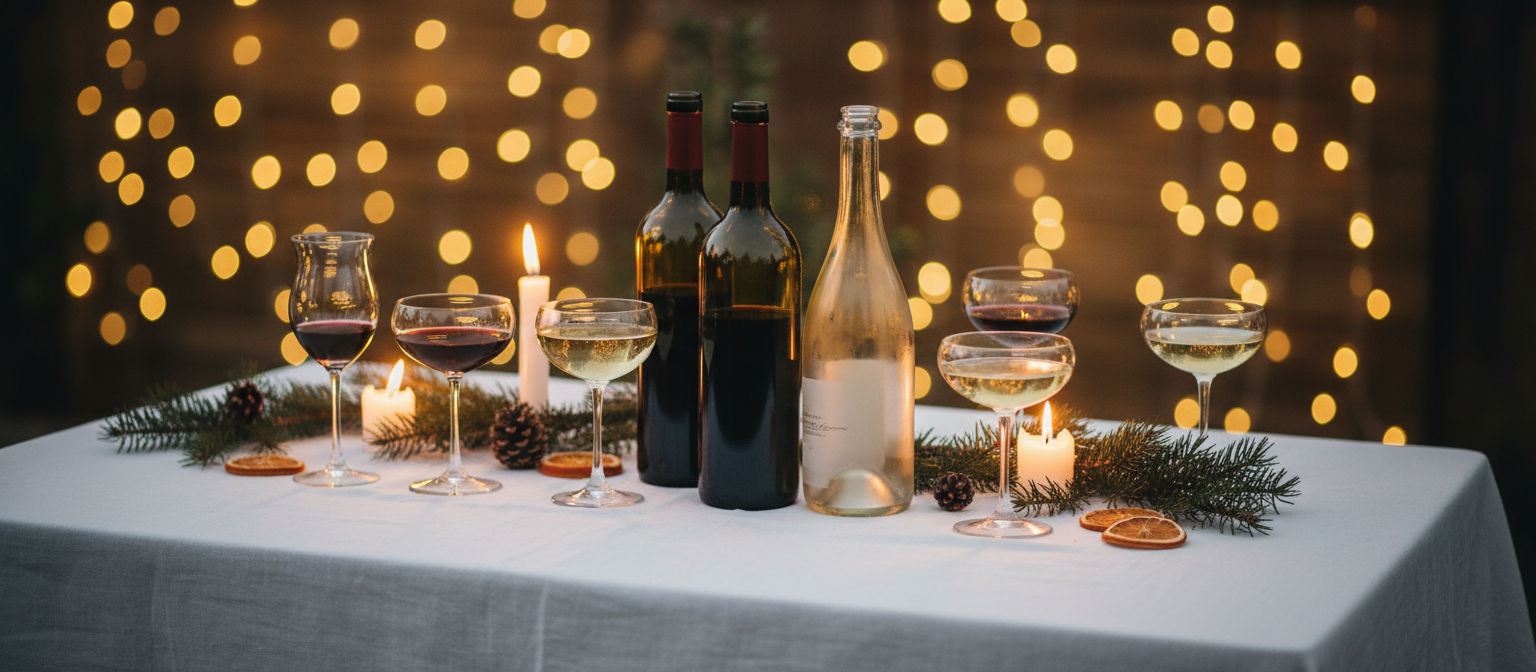
By mid-October, most restaurants have the Christmas menu in development and the first group enquiries in the inbox. The kitchen has usually been working on the food for weeks. The wine often gets decided last, in a rush, straight from the existing list. A few decisions made now will make December faster on the floor, easier on the cellar and better for margin.
Build the wines around the kitchen
Christmas in a serious kitchen means venison with celeriac, dry-aged beef, duck, game birds, shellfish, winter roots and a proper cheese course. The wine offer deserves the same thought as the menu, not a stripped-back version of the main list.
-
Start with chef's final menu. Choose the wines once the dishes are settled, not before.
-
Favour freshness and savouriness over power. Game, braises and rich sauces want acidity and earthy depth. Heavy oak and high alcohol flatten careful cooking and tire a table over a long evening.
-
Offer a matched flight. A glass with each course gives groups who want the full experience a premium option, and gives the kitchen and floor a shared story to tell.
-
Remember the cheese course. A sweet or fortified wine alongside it is an easy addition that most tables will say yes to.
Keep the party list tight
Group bookings run best on a short edit drawn from your main list: one sparkling, two whites, two reds, and something sweet or fortified for cheese and dessert. Each wine should earn its place against a specific dish.
A tight list speeds up ordering at busy tables, makes stock easier to forecast, and means every member of staff can speak about every wine with confidence. On a night with sixty covers in a single sitting, that matters more than choice.
Pre-sell the wine with the booking
When the deposit is taken, send the organiser a short recommended list rather than the full wine list. Leave the house wine and the cheapest bottles off it. The aim is to offer what works best for the whole table, not the lowest price point.
The wines to put forward are the crowd pleasers sitting two or three positions up the price list. At that level the quality steps up noticeably, the wines suit the menu, and they please a mixed group, from the regular wine drinker to the guest who only has a glass or two. The organiser looks good for choosing well, and the table has a better evening than the house wine would have given them.
Presenting it as “our recommendations for your party” does the work. Most organisers are glad to be guided, and very few will go looking for the cheapest option once a considered selection is in front of them. The same approach works for matched flights: one recommended pairing, priced per guest.
Pre-selling also pays off on the night. The organiser knows the cost upfront, you know your stock requirement weeks ahead, and service is quicker because the wine is ready when guests sit down.
Wines made for colder months: Château La Baronne
Some of the wines we reach for most in winter come from Anne and Jean Lignères at Château La Baronne in Corbières, in the south of France. The estate sits on the slopes of the Montagne d'Alaric, and the Lignères family has farmed there since 1957. They are a family of doctor-winemakers: Jean is a doctor as well as a winemaker, as his father was before him. The vineyard is farmed biodynamically.
What makes these wines so useful at this time of year is their balance. Corbières is warm Mediterranean country, but water running beneath the vineyards keeps the vines fresh through dry summers, and some of the Carignan vines are more than 120 years old. The reds have the depth and dark fruit that winter cooking calls for, with a freshness that keeps them lively across several courses. They sit comfortably alongside game, braised meats and aged beef, which is exactly where a winter red has to perform.
It's also an easy story for staff to share: a family of doctors who look after their vines the way they look after their patients.
Look past Prosecco
Prosecco is the default arrival drink, which is exactly why an alternative stands out. A French Crémant or a traditional-method Cava brings more depth and a finer bubble at a sensible price point. Offered at booking as an arrival-drink add-on, it sets the tone from the first glass.
Five checks before December
-
Confirm stock early. Lock in your Christmas wines in October and order ahead of the peak delivery weeks.
-
Brief the team. One line per wine: where it's from, who made it, which dish it's paired with.
-
Count glassware. Pairings and party nights use more glasses than you'd expect.
-
Plan fridge space. Sparkling and whites for a full room take up more space than you'd think.
-
Check package pricing. Make sure the recommended list and flights still deliver your target margin.
Your turn
Over to you
What does Christmas wine look like in your venue this year: pairings, recommended lists or something else entirely? Send us your questions and we'll cover the common ones in a future post.
If your team would like to taste the La Baronne wines alongside the new menu, our wholesale team can arrange it.